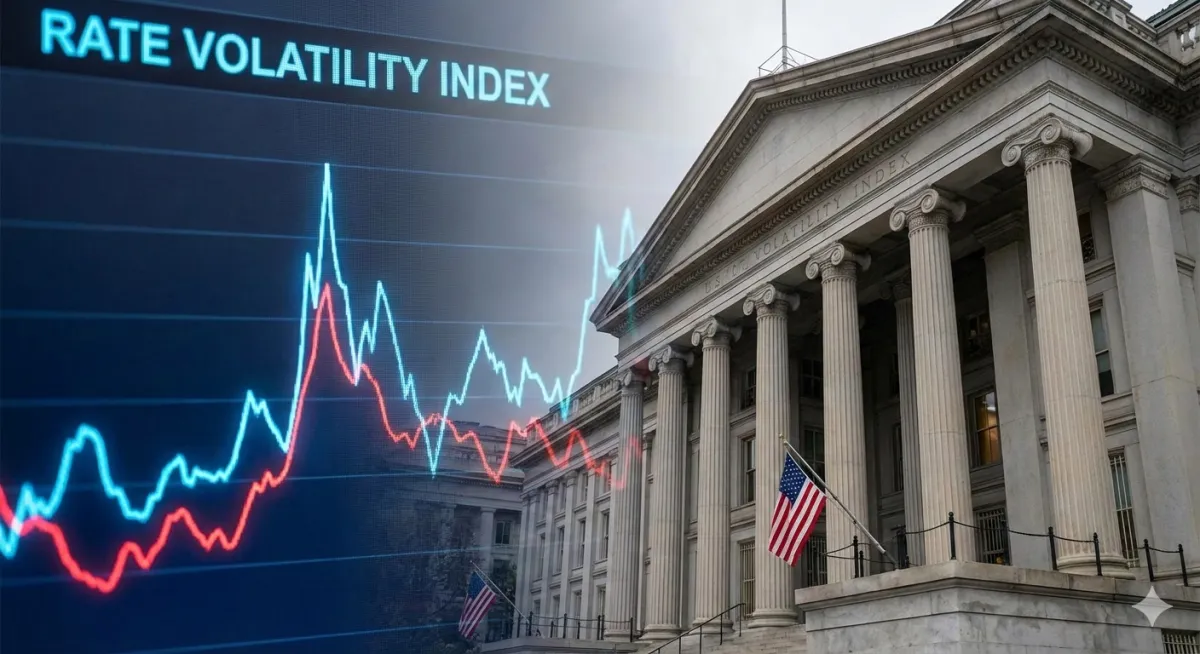
What Happens When the Treasury Becomes the Buyer?
What Happens When the Treasury Becomes the Buyer?
When President Trump publicly floated the idea of the U.S. Treasury stepping in to buy roughly $200 billion in Treasuries, the reaction was immediate — and telling.
Bond yields dipped. Mortgage rates followed. Headlines started whispering relief.
And yet…
buyers didn’t come back.
Showings didn’t spike.
Offer volume didn’t surge.
Contracts didn’t suddenly fly.
That disconnect is the story.
The mechanics
Treasury bond prices and yields move in opposite directions. We’ve discussed this before… and it’s worth going over again because it certainly is not a sexy topic.
If a large buyer enters the market — especially one with essentially unlimited balance sheet credibility — prices rise and yields fall. This makes sense when you think about it. Someone is coming to gobble up a bunch of treasuries… buyer demand increases so prices rise. Well, that forces yields to move in the opposite direction, which is what the President is trying to force.
This was the basis behind Qualitative Easing (QE).
So when the Treasury signals “we might buy”, markets front-run it.
That’s what happened here.
But this wasn’t quantitative easing in the classic sense. This was signaling, not execution. No program. No schedule. No enforcement mechanism. Just intent.
Markets reacted briefly.
Buyers didn’t react at all.
Why?
Because rates moving is not the same as confidence returning
Buyers don’t make decisions on tick-by-tick rate changes. I know this is what people think… but these are not the conversations I’m having with my buyer clients.
They make decisions when they believe the environment is stable enough to commit.
Right now, stability is the missing ingredient. We all know it.
Even after the Treasury-buying comments:
inflation remained near ~3% (even though it’s supposed to be closer to 2%)
fiscal spending expectations stayed elevated
the Federal Reserve made no pivot
global bond markets stayed tight
In other words:
nothing structural changed.
Mortgage rates dipping a quarter-point without a narrative doesn’t unlock pent-up demand. It actually creates hesitation.
“If they’re stepping in now… what do they know that I don’t?”
That question freezes people. And, to be honest, it can be super frustrating on my end because it feels like most buyers are trying to time the market… or expecting rates to make a big drop.
Neither is true. But what do I know? I’ve only been doing this for 17 years.
Why this policy signal didn’t land with buyers
There’s a deeper issue at play — intervention fatigue.
Over the past 15+ years, markets and consumers have been conditioned to expect rescue:
post-2008 stimulus
pandemic-era liquidity
repeated fiscal backstops
The result?
People no longer respond to possibility. They respond to finality. And THIS is the hangup.
A hint of Treasury buying doesn’t feel like relief.
It feels like another temporary patch.
And buyers can sense the difference — even if they can’t articulate it.
Why mortgage rates didn’t fall “enough” anyway
Even if the Treasury did buy $200B in bonds tomorrow, there are hard limits on what that can accomplish.
Mortgage rates are anchored not just to Treasuries, but to:
inflation expectations
term premiums
global demand for U.S. debt… and there’s a LOT of international turmoil right now
competing sovereign yields
As long as inflation refuses to break meaningfully lower, long-term rates remain sticky. That’s the constraint no press conference can erase.
Which brings us to the real behavioral outcome we’re seeing…
What buyers are actually doing right now
Instead of rushing in, buyers are:
shortening decision windows
demanding price concessions (or large closing cost credits)
hesitating at inspection (deals are falling apart for minor things)
walking more often when anything feels uncertain
Lower rates didn’t bring confidence.
They increased selectivity.
That’s why activity didn’t spike.
And it’s why sellers expecting a “rate rescue” are misreading the moment.
The takeaway most people miss
When government entities signal intervention before conditions demand it, the market hears something different than what policymakers intend.
They hear:
“Things aren’t stable enough on their own.”
And that doesn’t spur action.
It delays it because people are waiting to see what shakes out.
They will continue to be cautious, selective, and willing to wait.
Not because they can’t buy —
but because they don’t trust the footing yet.
Why this matters for real estate decisions
This is not a “rates will crash” market.
It’s a credibility market.
Deals are getting done — but only when pricing reflects uncertainty and homes are clean, simple, and well-positioned.
Treasury intervention chatter didn’t change buyer behavior because buyers aren’t waiting for a hero.
They’re waiting for clarity.
References
U.S. Department of the Treasury. (2025). Treasury market structure and demand considerations.
https://home.treasury.gov
Federal Reserve Board. (2025). Monetary policy reports and inflation data.
https://www.federalreserve.gov
Board of Governors of the Federal Reserve System. (2025). Term premiums and long-term interest rates.
https://www.federalreserve.gov/econres.htm
Mortgage Bankers Association. (2025). Weekly mortgage applications survey.
https://www.mba.org