What Does the Soaring US Debt-to-GDP Ratio Really Mean for Real Estate?
What Does the Soaring US Debt-to-GDP Ratio Really Mean for Real Estate?
If you’re in real estate (and if you’re reading this article, the likelihood is very high), you can’t afford to ignore what’s happening at the macro level when it comes to the economy, GDP, and debt… and how they all play together to affect the real estate market as a whole.
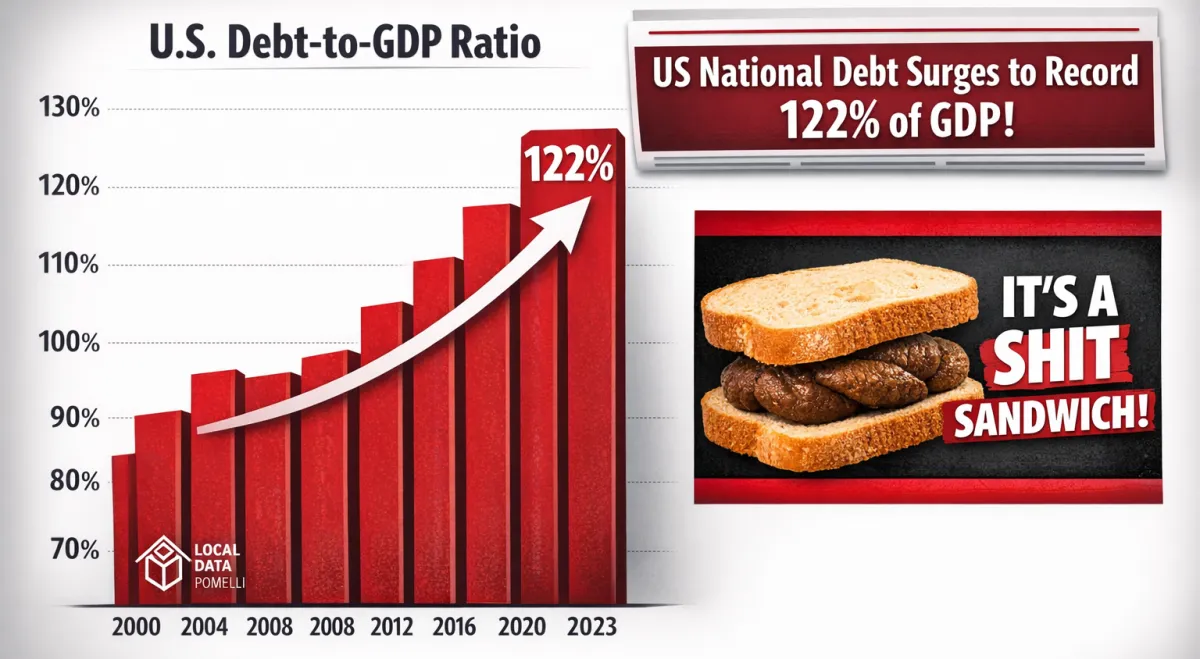
The US Treasury’s debt-to-GDP ratio just hit 122%—a number that’s making headlines and raising questions for both agents and consumers. Here’s a breakdown of what this stat actually means, how it could impact the real estate market, and what agents should be prepared to discuss if it comes up with clients.
Why This Stat Matters
The debt-to-GDP ratio measures the size of the national debt compared to the country’s economic output. When debt grows faster than GDP, it’s a signal of fiscal imbalance and can trigger concerns about future economic stability, inflation, and government policy.
While it’s a macroeconomic indicator, it often spills into consumer confidence and the housing market… which is what we care about. The last few years have been difficult. It finally seems that things are starting to rebound and we don’t need more negative news… but we have to understand it and consider how it impacts our businesses and our clients.
How It Affects Real Estate
I get hundreds of newsletters every week in my inbox and I’m scanning for things that are both interesting to me and our industry and clients. As I scanned through my email, this headline stood out… made me want to investigate and understand how it affects us.
So here’s my take:
Interest Rates: High government debt can put pressure on interest rates. Why? The government may need to offer higher yields to attract buyers for its bonds. Higher rates can make mortgages more expensive, impacting affordability for buyers and potentially slowing demand. Just what we don’t need right now since affordability is a giant issue, especially for our first time buyers.
Market Psychology: Headlines about soaring debt can create uncertainty, causing some buyers or sellers to hesitate. This can lead to slower transaction volume or more cautious pricing. Again, something we don’t need right now.
Policy Risks: High debt can limit the government’s ability to stimulate the economy during downturns, or could prompt future tax or spending changes that indirectly affect real estate.
In layman’s parlance, that’s called a “shit sandwich”.
Implications for Agents
This is where staying informed is a big deal. You have to understand the basics of the debt-to-GDP ratio so you can confidently answer questions and provide context. This is especially important in this burgeoning era where more consumers rely on AI for their answers. If you don’t understand it’ll be hard to earn confidence. No confidence = no business = no income.
Brutal. But true.
You have a responsibility to remind clients that while national stats matter, real estate is driven by local supply, demand, and trends. You need to learn how to use data from the MLS to anchor the conversation. You cannot be passive here!
Heck, you can use AI to keep track of these headlines and even ask it what stats you need to track to keep an eye on it… and, if you’re really good, you’ll learn to deploy your own AI to keep track of it for you in some sort of workflow (a conversation for another day).
Lastly, you’ll need to keep an eye on mortgage rate movements and be ready to discuss how macro trends could (or could not) influence local affordability. You don’t need to be able to nail it like an economic forecaster… but you should understand the trends, what they mean, and how it could impact your clients.
If you’re not getting updates on the mortgage rates from a lender, you need to find a lender who can share that data with you. I get bombarded by them from lenders I’ve worked with for years as well as lenders I’ve never worked with. If you’re going to excel in this more competitive landscape, you cannot do it passively.
What Consumers Need to Know
Consumers need to understand how all of this may affect affordability. Rising rates may affect what buyers can afford, but waiting for “the perfect time” is not realistic.
Nobody can time the market.
Encourage your clients to focus on their personal goals and local market realities. Your job is to help them understand and make the right decision for them… and that can’t happen if you’re not actively tracking the market.
When it comes to sellers, macro headlines rarely, if ever, dictate local prices. What does? Inventory, competition, and neighborhood trends are far more important drivers and are things you can track for them. If you don’t have a custom search setup for your clients, even clients you sold a home to who aren’t actively considering selling, you’re missing an opportunity to communicate your value.
Lastly, let’s touch on investors briefly. Many investors love volatility because it can present opportunities. Large scale investors are tracking certain numbers by major and micro markets… but it’s your smaller investors (those who one just a few investment properties) who need help understanding a clear risk assessment.
You need to be reaching out to your investor clients and encouraging them to clarify whether they’re seeking cash flow, appreciation, or risk reduction. The sad truth is that most won’t know since most investors on the small scale focus only on cash flow. I’ve built a tool to quickly analyze the 4 essential parts of the investor’s money machine (cash flow, appreciation, principle reduction, and depreciation) and I can teach it to you… you just need to ask… it’ll open up a whole new communication channel with your investor clients and elevate how they see you.
Want a walkthrough? Just reply to this newsletter and I’ll send you a free guide.)
If It Comes Up in Conversation
If a client asks about the debt-to-GDP ratio or is concerned by the headlines, keep your response simple, factual, and local:
"National debt makes headlines, but your real estate decisions should be based on what’s happening in your market and your personal situation. Let’s look at the numbers here and see what makes sense for you."
That’s it. Nothing overly complicated. Complexity kills conversations.
Bottom Line
The soaring debt-to-GDP ratio is a signal worth watching, but it’s only one piece of the bigger real estate puzzle. It’s easy for agents to either put their head down and pretend nothing is happening (what most agents do) or head off into the weeds and get lost.
Don’t be either of those agents. Learn how to translate macro trends into practical, local advice. Doing so will allow you to stand out as a true expert in uncertain times.
And there are plenty of uncertain times ahead.