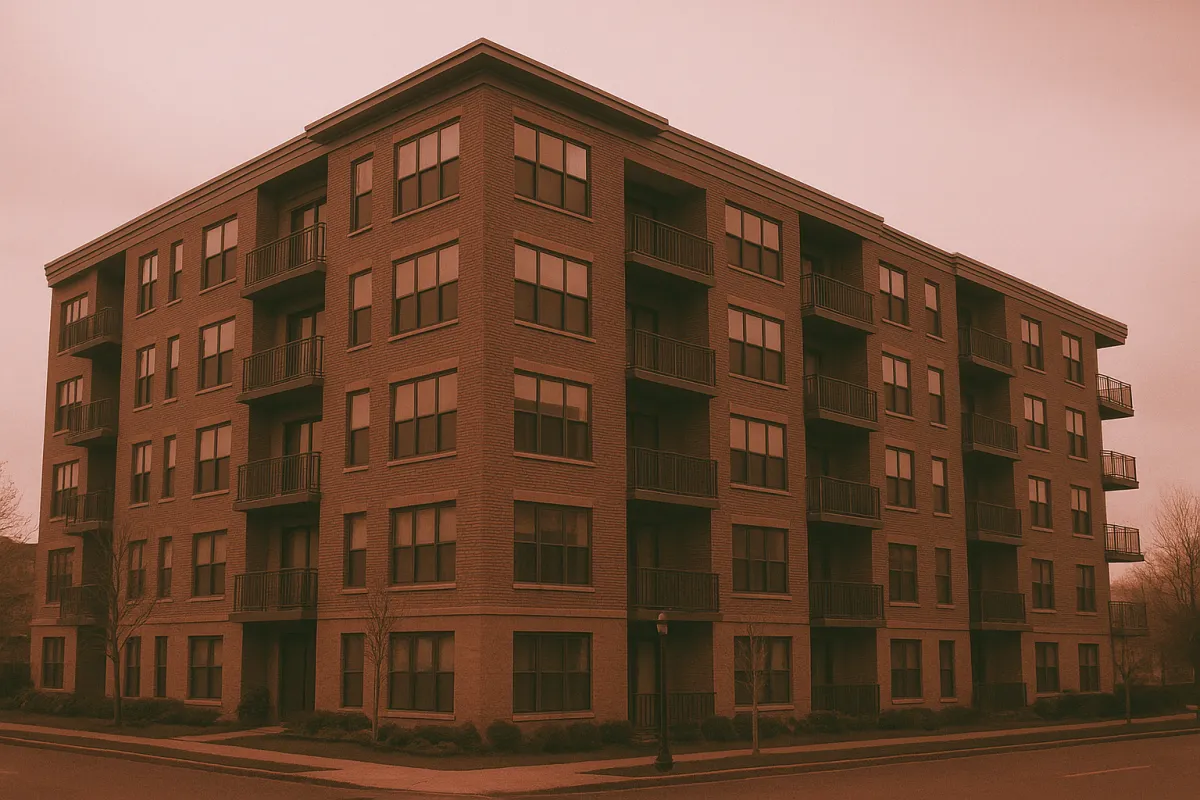
Condo Insurance Shock, Part II — Why It’s Derailing Deals in MA & RI
🧭 Condo Insurance Shock, Part II: Why It’s Derailing Deals in MA & RI (and What Buyers Need to Know)
If you’ve tried to buy or sell a condo anywhere in Massachusetts or Rhode Island this year, you already know the story:
🧨 The condo itself looks good.
🧨 The price makes sense.
🧨 The buyer is qualified.
…and then the insurance quote lands.
Suddenly the deal has a problem no one saw coming — the building’s master insurance premium exploded, the deductible doubled, or the HOA’s new budget pushes the buyer’s mortgage ratios out of eligibility.
Welcome to 2025, the Year of the Condo Insurance Plot Twist. And, trust me, I’ve seen this happen many times this year to not just myself, but to agents in my office. It’s a real problem!
And unlike mortgage rates — which everyone knows are high — this problem blindsides people. Including agents and lenders.
Let’s break down what’s happening in real life, not in the insurance textbooks.
And, btw, to make sure this easy to understand I’ll be using lists. Why? Because it’s science… lists make things easier to understand.
🔥 1. “Wait… how did the HOA fee jump $80 a month?”
Because master insurance — the policy that covers the building itself — has skyrocketed.
Not everywhere equally. But in MA and RI, the pressure points are clear:
Coastal counties (Plymouth, Bristol, Barnstable, Newport, Washington)
Old building stock (1960s–1990s construction)
Converted triple-deckers
Buildings with deferred maintenance
Over-insured or under-insured valuations
Properties with outdated electrical, roofs, or siding
When a master policy increases 20–50% (and many have), the HOA spreads that cost across all units. Even a modest building can see monthly dues jump $40–$120 per unit.
For many buyers:
💥 That small increase destroys their Debt To Income (DTI) ratio.
Meaning… the PITI payment is taking up too large a chunk of a buyer’s gross pay. And the deal collapses.
🔍 2. Lenders are clamping down — even on buildings that were “fine” last year
Here’s the new reality in underwriting:
If the HOA’s 2025 budget shows an insurance increase… the lender is recalculating ratios.
Even if:
the buyer is strong
the condo fee is reasonable
the buyer was approved 48 hours earlier
the insurance increase doesn’t begin until next quarter
Lenders are looking at:
Total monthly housing expense today AND projected
The HOA’s reserve contribution policy
Special assessments (big red flag)
Deferred maintenance (roof, siding, boilers)
Master policy deductible structure
Whether the building carries “walls-in” or “bare walls” coverage
And if the building’s finances look stressed? The lender slows down — or pulls out.
This is why so many 2025 condo deals are dying during underwriting, not at the offer stage.
It’s an honest to goodness problem fueled by the association voting “No” to any increases to the condo fee (forcing the association to dip into cash reserves to pay the bills) and the rising insurance costs.
🧾 3. FHA and VA approvals? They’re becoming landmines.
A building that qualified last year may not pass the 2025 checks because:
Insurance costs changed
Reserve funding ratios fell
A special assessment was issued
Required documentation is outdated
Deferred maintenance was flagged
The master policy no longer meets guidelines
Buyers who think they’re FHA-eligible are suddenly not — not because they changed, but because the building changed.
Agents are spending large chunks of 2025 on the phone with lenders, board presidents, and management companies trying to salvage deals.
For real. And if the ratios get messed up… like the insurance deductible on the Master Insurance policy, it can make the property non-financeable and potentially costs you tens, if not hundreds, of thousands of
💸 4. The Silent Killer: HO-6 Policy Shock
Even if the master policy looks fine, buyers are getting crushed by:
HO-6 insurance quotes that doubled
especially in:
waterfront communities
older converted multi-families
urban buildings with past claims
units with short-term rental history
This adds $30–$70/month to the buyer’s payment.
Again:Small increase → big DTI problem.
🧨 5. Special Assessments = Deal-Wrecker
This is the one that kills deals instantly.
Lenders see a special assessment, and they assume:
the building is underfunded
the reserves are inadequate
future assessments are likely
maintenance was deferred
the financial health is questionable
Buyers see a special assessment and assume:
this will happen again
HOA fees will keep rising
resale value is at risk
The building might be totally fine. But the perception alone is toxic.
🧠 6. The Real Problem: Buyers Don’t Know Any of This Until It’s Too Late
People think they’re buying:
a condo
But in reality, they’re buying:
the building’s financial structure
the quality of past maintenance
the insurance landscape
the HOA’s risk profile
the board’s decision-making history
You can renovate a kitchen. You cannot easily renovate a dysfunctional HOA.
This is the education piece most buyers don’t get — until underwriting starts asking questions.
🛠️ 7. The “Smart Buyer Checklist” for 2025 Condos (MA/RI)
Before you make an offer, you want:
Last two years of master insurance invoices
Current year budget
Reserve study (if exists… ask me how I know…)
Year-end financials
Master policy deductible sheet
Loss run (claims history)
Special assessment history
Statement on short-term rentals
Any planned capital improvements
Current owner-occupancy ratio
Status of FHA/VA approval
This is how you prevent being blindsided mid-process.
🏠 8. What Sellers Must Know to Survive This Market
If you’re selling a condo, transparency is your friend:
✔️ Get your docs ready before listing
✔️ Call your management company for insurance updates
✔️ Be proactive about explaining fee increases
✔️ Highlight reserve strength
✔️ Prepare buyers for the underwriting process
✔️ Price in line with the building’s financial profile
✔️ Expect more lender questions than last year
Sellers who try to hide fee jumps get punished with price cuts. Sellers who are transparent get rewarded with trust — and better offers.
📉 9. What This Means for Agents in MA & RI in 2025
You already know because you lived it:
More deals fall apart during underwriting
More lenders ask for full docs earlier
More back-and-forth with management companies
More HO-6 quote shocks
More DTI squeezes
More FHA/VA failures
More requests for reserve studies
More time explaining insurance structures to buyers
In 2025, the agent with strong condo literacy is the one who wins.
Buyers need a guide. Sellers need a translator. Lenders need clean docs. HOAs need fewer surprises.
You’re the bridge.
🧭 Bottom Line
The condo insurance story in MA and RI isn’t about premiums going up.
It’s about:
unexpected fee jumps
stricter lender scrutiny
collapsing deals
underfunded associations
special assessments
and buyers realizing the “cheap condo” isn’t so cheap anymore
But for the buyers who understand the landscape — and the agents who know how to navigate it — there are still great units to be found.
In 2025, the smartest buyers aren’t just asking: “Do I like the condo?”
They’re asking: “Do I understand the building I’m buying into?”
🧾 References
Massachusetts Division of Insurance. (2025). Homeowners & Condo Insurance Market Report.
https://www.mass.gov
Rhode Island Department of Business Regulation. (2025). Insurance Division Rate Filings & Market Reports.
https://dbr.ri.gov
Community Associations Institute – New England. (2024). Master Policy Trends & Reserve Funding Guidance.
https://www.caine.org
Boston Globe Real Estate. (2025, February). Condo Fees Rise as Insurance Costs Surge Across MA.
https://www.bostonglobe.com
Providence Journal. (2025, January). Rhode Island Condos Face Insurance Shock as Carriers Adjust Coastal Risk.
https://www.providencejournal.com
Mortgage Bankers Association. (2025). Underwriting Standards & Condo Lending Bulletin.
https://www.mba.org